How to Tell When Your Lawn Needs Aeration
Knowing when your lawn needs aeration helps improve soil health and grass growth, and local service providers can handle the job efficiently.
Understanding when your lawn needs aeration is an important step in maintaining a healthy, lush yard. Property owners in the area often notice signs such as compacted soil, areas of thinning grass, or water pooling after rain-indications that the soil may be too dense for roots to grow effectively. Recognizing these practical signs can help determine if professional lawn aeration services are needed, as they can improve soil health and promote stronger grass growth. Local contractors experienced in lawn care can assess these conditions and provide tailored solutions to keep your yard vibrant and resilient.
Keeping an eye on your lawn’s appearance and how it responds to weather can reveal whether aeration might be beneficial. If your grass seems to struggle with drought, shows uneven growth, or if you notice that water has trouble penetrating the soil, these are common clues that your lawn could benefit from aeration. Engaging with local service providers who specialize in lawn aeration can help address these issues effectively, ensuring your yard remains healthy and attractive throughout the seasons. Keep reading to learn more about how to tell when your lawn needs aeration and how local professionals can assist in maintaining its vitality.
- Common Projects - Lawn aeration services are recommended when soil compaction is evident, and local contractors assess soil health to determine the need.
- Common Projects - When lawns show signs of thinning or poor drainage, local pros perform aeration to improve root growth and water absorption.
- Common Projects - If the grass is struggling to recover after winter or drought stress, local service providers may suggest aeration as a solution.
- Common Projects - Lawn aeration is often needed when footprints and equipment leave lasting impressions, which local contractors address to restore lawn health.
- Common Projects - When thatch buildup exceeds half an inch, local pros can provide aeration to help break down organic layers and promote healthier turf.
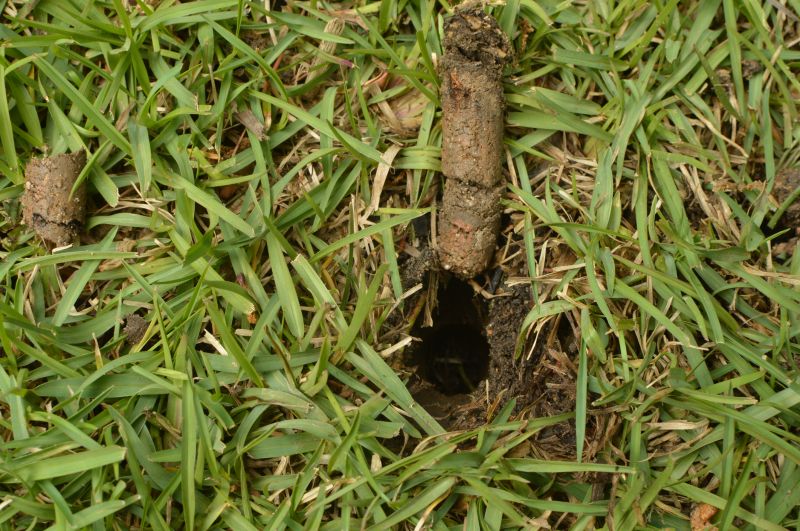
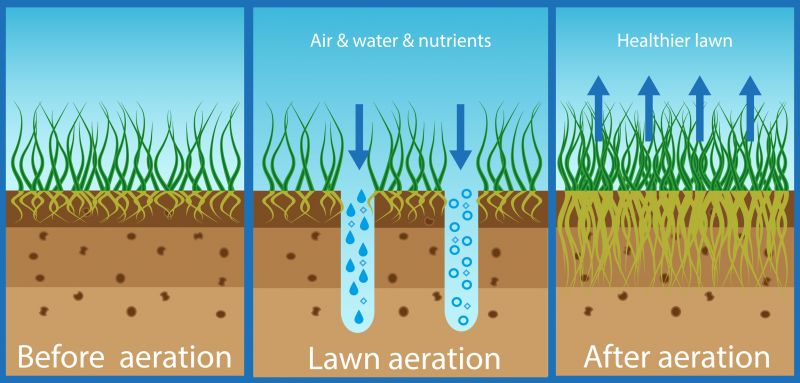
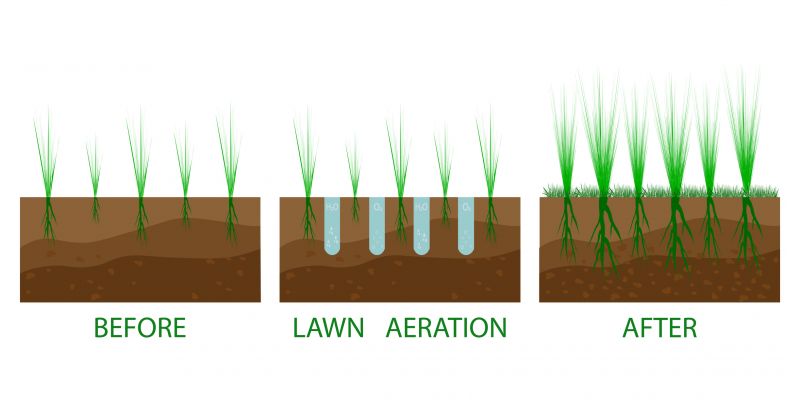
Understanding when a lawn needs aeration is a common concern among homeowners aiming to maintain a healthy, lush yard. Typically, people searching for this topic want to identify signs that their soil has become compacted or that grass growth has slowed, which can indicate that the roots are struggling to access air, water, and nutrients. These issues often develop gradually, making it important for homeowners to recognize early warning signs so that they can plan for professional aeration services. Recognizing the right timing can help prevent more serious problems like patchy grass, poor drainage, or an overall decline in lawn vitality.
The problems associated with a lawn that needs aeration are often visible through specific symptoms. These include areas of thinning or bare patches, stubborn thatch buildup, or areas where water pools after rainfall. Some property owners notice that their grass feels spongy or spongy underfoot, which can signal excessive thatch or compaction. Additionally, lawns that take longer to recover after heavy use or drought conditions may be showing signs that aeration could improve soil health. These conditions are common on properties with high foot traffic, heavy equipment use, or compacted soil due to clay content, and addressing them with professional aeration can significantly enhance lawn resilience.
Properties that typically benefit from aeration include residential lawns, commercial landscapes, and recreational areas with dense grass coverage. Lawns that are regularly used for outdoor activities or have heavy foot traffic tend to compact more quickly, reducing airflow to the roots. Clay-heavy soils are also more prone to compaction and benefit from aeration to improve drainage and root growth. Large properties with extensive turf areas or those experiencing persistent issues with water runoff or poor grass health often see noticeable improvements after professional aeration services. Understanding the specific needs of a property helps homeowners decide when to seek assistance from local contractors.
Connecting with local service providers who specialize in lawn aeration can be an effective way to address these issues. These professionals can evaluate a yard’s condition, determine if aeration is needed, and perform the work efficiently to restore soil health. By recognizing the signs that a lawn needs aeration, property owners can proactively improve their yard’s appearance and vitality. Working with experienced local contractors ensures the job is done correctly, helping to promote a thicker, greener, and more resilient lawn. This approach supports ongoing lawn care plans and helps maintain a healthy outdoor space over time.
Soil Testing Services - professionals who perform soil testing can help determine if your lawn's soil conditions indicate a need for aeration to improve nutrient absorption and root health.
Lawn Drainage Improvement Projects - local contractors specializing in drainage solutions often incorporate aeration techniques to alleviate compacted soil and enhance water flow.
Overseeding Services - overseeding projects frequently require aeration beforehand to ensure seed-to-soil contact and promote healthy grass growth.
Thatch Removal Services - experts in thatch management may recommend aeration as part of a strategy to reduce excess thatch and improve turf vitality.
Compact Soil Restoration - specialists in soil restoration use aeration to break up compacted areas, making it easier for roots to penetrate and grow.
Landscape Renovation Projects - landscape upgrades often include aeration to prepare the lawn for new planting and ensure a lush, healthy appearance.
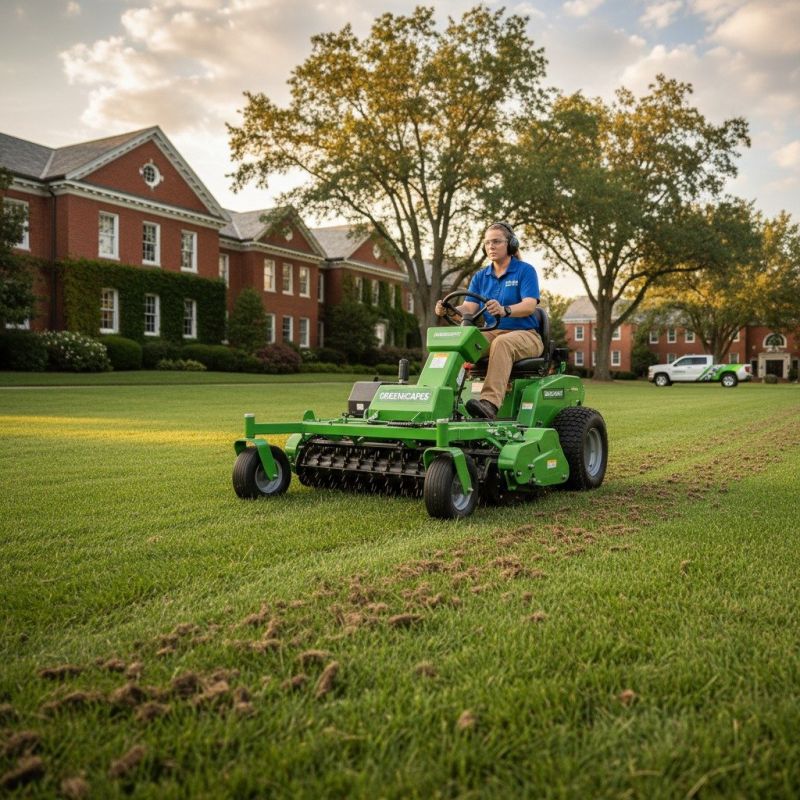
When evaluating lawn aeration service providers, it is important to consider their experience with similar projects. Homeowners should seek out local contractors who have a proven track record of performing aeration for lawns with conditions comparable to their own. An experienced service provider is more likely to understand the signs indicating when a lawn needs aeration, such as compacted soil or poor drainage, and can tailor their approach accordingly. Checking for references or examples of past work can help ensure that the contractor has successfully handled projects similar to the homeowner’s needs, providing confidence in their ability to deliver quality results.
Clear and detailed written expectations are essential when comparing local contractors for lawn aeration. Homeowners should look for providers who communicate their process, the scope of work, and what to expect during and after the service. This transparency helps prevent misunderstandings and ensures that both parties are aligned on the goals of the project. A reputable contractor will be able to outline the benefits of aeration, the timing of the work, and any necessary follow-up steps, making it easier for homeowners to make informed decisions about which service provider best meets their lawn’s needs.
Good communication is a key factor in choosing the right local pros for lawn aeration services. Homeowners should prioritize contractors who are responsive and willing to answer questions about the process, what signs to watch for to determine if aeration is needed, and how the work will be performed. Open lines of communication can also facilitate ongoing support and advice, ensuring that homeowners feel confident throughout the project. Selecting a service provider known for clear, professional communication can lead to a smoother experience and a lawn that benefits from properly timed and executed aeration.
Property owners often search for how to tell when your lawn needs aeration when they are planning practical projects around their homes and businesses. Local pros provide Lawn Aeration services for everyday jobs and straightforward project options.
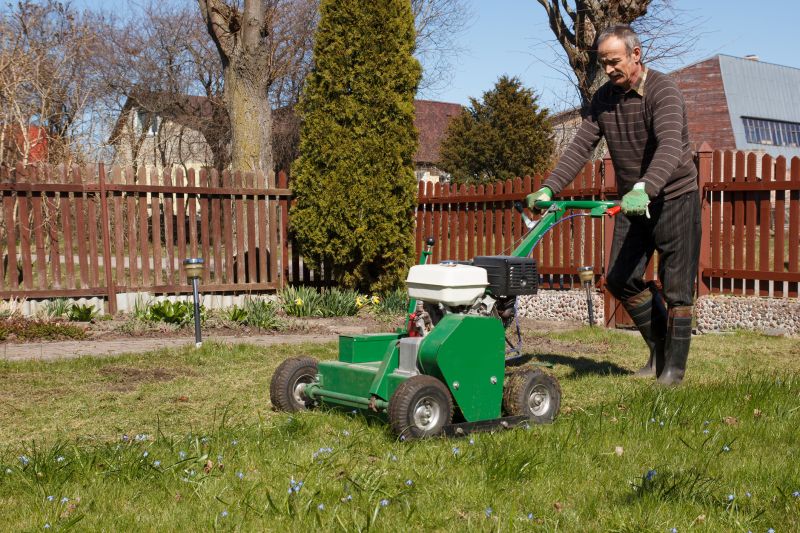
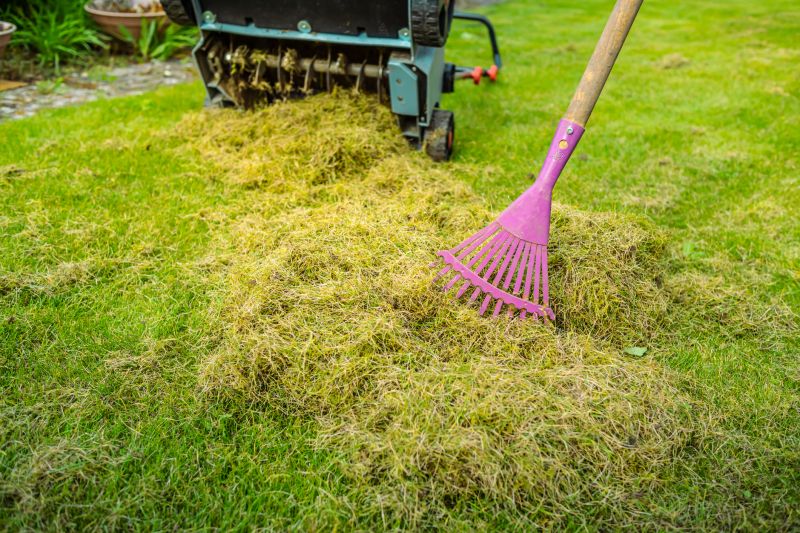
Property owners in the area often notice that their lawns begin to look dull, thin, or uneven, especially after periods of heavy foot traffic or drought conditions. When grass appears to be struggling despite regular watering and fertilizing, it may be a sign that the soil has become compacted, preventing roots from accessing essential air and nutrients. In such cases, local contractors who specialize in lawn aeration can assess the situation and determine if this service can help restore healthy growth and improve overall lawn appearance.
Additionally, homeowners might observe that their grass is developing moss or that water tends to pool in certain spots rather than soaking into the ground. These issues often indicate that the soil has become dense and hard, making it difficult for water, air, and nutrients to penetrate effectively. When these symptoms appear, reaching out to experienced service providers for lawn aeration can be a practical step toward revitalizing the yard. These professionals can evaluate the soil condition and recommend appropriate aeration solutions to promote a lush, resilient lawn.
What are common signs that your lawn may need aeration? Indicators include soil compaction, standing water after rain, and a thin, patchy appearance. Local contractors can assess these signs and recommend appropriate aeration services.
How can soil compaction affect my lawn’s health? Soil compaction limits air, water, and nutrient penetration, leading to weak root growth. Lawn care professionals can perform aeration to relieve compaction and improve lawn vitality.
Are there visible signs on the lawn surface that suggest aeration is needed? Yes, areas with heavy foot traffic may develop compacted soil, resulting in reduced grass growth and bare patches. Local service providers can evaluate these issues and provide aeration solutions.
How does thatch buildup relate to the need for aeration? Excess thatch can hinder water and nutrient absorption, making aeration necessary to break up thatch layers. Experts can determine if aeration will benefit your lawn’s condition.
When is the best time to consider lawn aeration? Typically, aeration is most effective during the growing season when the grass can recover quickly. Local pros can advise on the optimal timing based on your lawn’s condition.
Soil Compaction Signs - noticing that the soil feels hard or dense may indicate the need for aeration, which local contractors can address to improve soil health.
Thatch Buildup - a thick layer of thatch can block water and nutrients, and lawn aeration services can help break it up for better grass growth.
Uneven Lawn Areas - patches that are uneven or have poor drainage might benefit from aeration to promote even root development.
Grass Health Changes - if the grass appears stressed, thin, or struggles to recover, local pros can perform aeration to help restore vitality.
If you are thinking about how to tell when your lawn needs aeration for a property, this guide is meant to help you understand this topic, the typical project types, and how different options might fit your plans.
When you are ready, you can use the quote form on this page to share a few details about your project. From there, local pros can review the basics and follow up with options that match what you have in mind.